
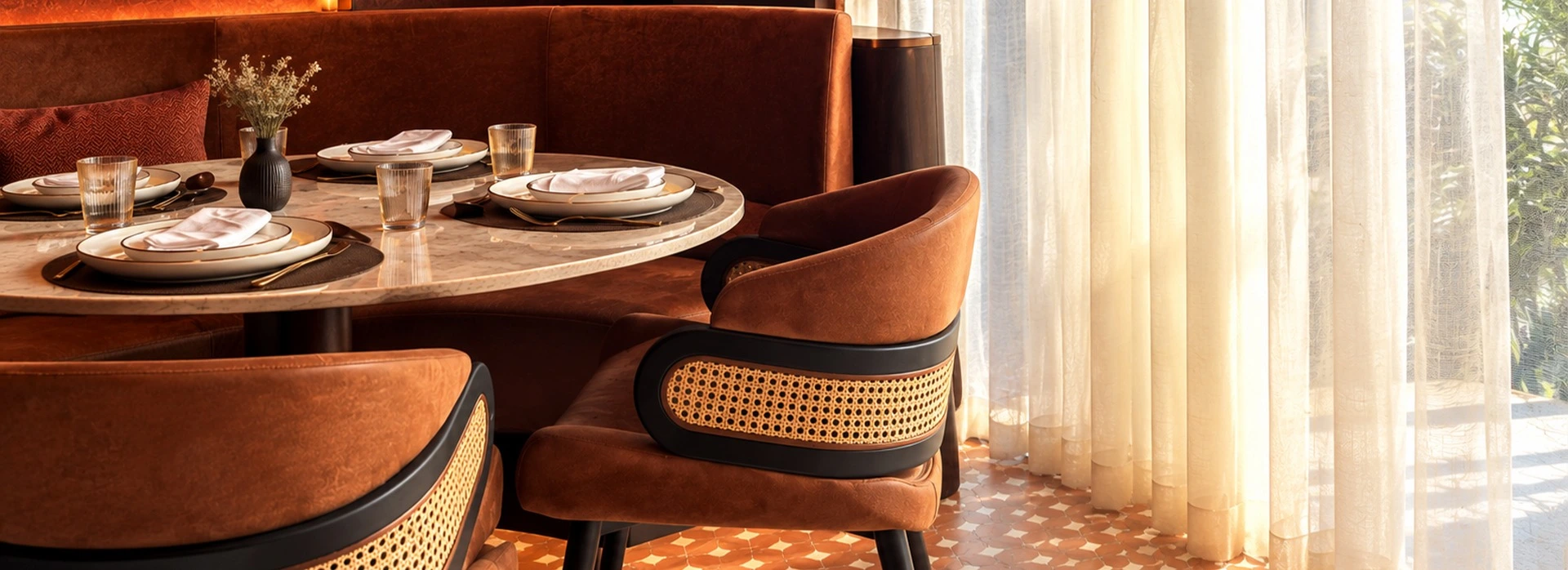
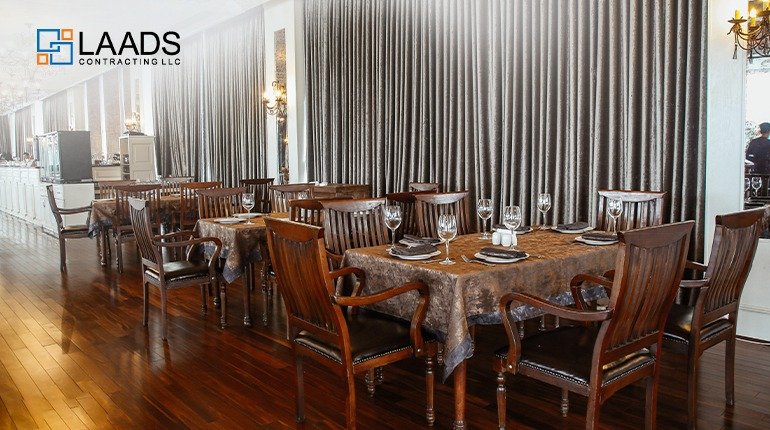
While food quality is often considered the primary driver of a restaurant’s success however, it is rarely the sole determining factor.Design and buildplay a significant part in whether guests enjoy their experience and whether they choose to return.
This is what’s known as restaurant fit out; the planning and construction of a restaurant’s interior, encompassing flooring, walls, lighting, seating, kitchen layout, and every other element that shapes the physical space.
The first few seconds really do matter
Consider the last time you stepped into a restaurant for the first time. Before you’d even glanced at the menu, you likely already had a sense of the place perhaps it felt warm and inviting or perhaps cramped and poorly kept. That impression is shaped almost entirely by the fit-out.
Elements such as the flooring, wall colours, ceiling design, and even the arrangement of the entrance all combine to shape that first impression. An awkward entrance or a mismatched space can lead customers to form a negative opinion before they’ve tasted a single dish. A well-planned space, by contrast, makes guests feel comfortable and welcomed from the outset, a feeling that carries through the remainder of their visit.
The layout decides how comfortable people feel
The arrangement of tables and the space between them makes a far greater difference than most people realise. When tables are placed too close together, conversations from neighbouring tables become audible, and the space can feel crowded and noisy. This tends to make guests want to finish quickly and leave, rather than relax and linger over dessert or another round of drinks.
A well-designed layout provides guests with sufficient breathing room. It also establishes a clear, unobstructed flow between the entrance, seating areas, and restrooms, so customers aren’t squeezing past other tables or waiting in awkward spots. This kind of planning benefits staff as well, when servers can move freely without navigating around furniture or colleagues, they’re able to serve customers more efficiently and with less strain. This, in turn, translates naturally into better service, which guests notice and remember.
Lighting and sound set the whole mood
Lighting is rarely discussed directly, yet it shapes how guests feel without their even realising it. Overly bright, harsh lighting can make a space feel more like a cafeteria than a restaurant, while lighting that’s too dim can make it difficult to read the menu or appreciate the food. The right approach depends on the nature of the restaurant, a casual breakfast spot calls for bright, cheerful lighting, while a venue intended for romantic dining requires something softer and warmer.
Sound is just as important, even though it gets far less attention. A restaurant that is too noisy can be exhausting for customers, making it hard to hold a conversation or simply relax. Adding acoustic materials in curtains, cushioned seating, and panels on the ceiling or walls can help absorb noise and make the space feel calmer. When people can talk comfortably and enjoy their meal without straining to hear each other, they are far more likely to stay longer and come back another time.
What happens in the kitchen affects what customers see on their plate
Customers rarely see the kitchen, yet they feel its effects every time they dine. A poorly laid-out kitchen with equipment positioned awkwardly or insufficient space for staff to move leads to slower order times and more frequent mistakes, a problem that only intensifies during peak hours such as weekend dinner service.
A properly planned kitchen, with good ventilation, sensible equipment placement, and adequate working space, allows food to be prepared faster and more consistently. Customers may never know why their meal arrived promptly and tasted just as good as the last time, but they’ll notice the result and it builds trust in the restaurant.
Materials that last save money over time
Restaurants go through a lot of wear and tear every single day. There are spills, heavy foot traffic, and constant cleaning that can wear down cheap materials quickly. If the fitout uses low-quality flooring, furniture, or finishes, the restaurant can start looking old and tired.Resulting in repairs or renovations much sooner than expected.
Choosing materials that are built to handle this kind of daily use, even if they cost a little more upfront, ends up saving money in the long run. A restaurant that still looks fresh and well-kept after a couple of years gives customers more confidence in the place.
Good fitout keeps customers coming back
When these elements come together layout, lighting, kitchen design, and materials they add up to one simple outcome: customers either want to return, or they don’t.
Restaurants that treat their fit-out as a serious investment rather than something to rush through simply to open on scheduled tend to reap the rewards later, through loyal customers, stronger reviews, and steady repeat business.
At LAADS, we work closely with restaurant owners across Dubai to plan and build restaurant fitouts that feel welcoming, work efficiently, and follow all the required regulations. Our goal is to help create spaces that do not just look good when they first open but continue to bring customers back.