
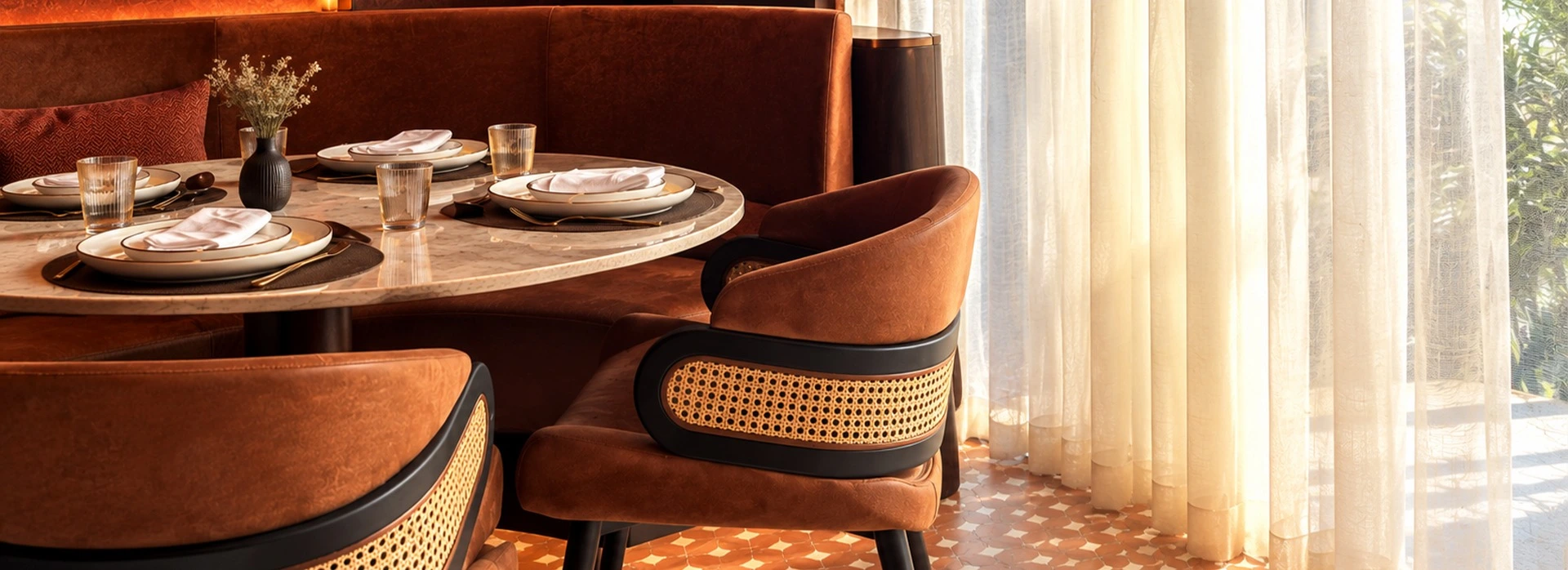

Have you ever stepped into a space and felt immediately peaceful or anxious when nothing in particular triggered your feelings? These feelings are not random; this is the psychology of space. The design of spaces, whether it is lighting, layout of furniture, colors, or textures, affects how we think, feel, and behave.
Smart design cannot only be beautiful and aesthetic. It involves designing an environment to promote productivity, comfort, safety, and emotional well-being. All of us spend multiple hours in one day. The space we occupy at home, at work, or at school, or in a hospital, all design of space significantly impacts our experience more than we understand.
Space Shapes Emotion
All humans have an emotion associated with space, including
This is why minimalistic interiors are trending; they reduce visual noise and help the mind relax.
Lighting Affects Mood and Energy
Lighting can be the most powerful psychological file trigger.
On the other hand, poor lighting can induce fatigue, irritability, and decreased performance. Smart lighting options, like LED track lights and ceiling lights, assist in creating surroundings that support the purpose of the space.
Colors Impact Behavior
Color psychology plays a significant role in the design:
The correct color palette can change how someone interacts with a space.
Layout Impacts Movement and Interactions
A well-planned layout ensures that people move naturally and comfortably through a space.
For example, open office layouts encourage collaboration but may reduce focus if not properly balanced with quiet zones.
Material Choices Impact Comfort and Safety
Design psychology also includes the tactile and functional aspects of the materials.
Spaces that feel both safe and comfortable lead to opportunities for healthier behavior and satisfaction.
Noise Control Influences Mental Well-Being
Acoustics are frequently neglected in our daily routines, yet sound levels have a significant impact on our mood.
Smart design of our spaces can help to better support mental clarity by eliminating outside noise disturbances.
Smart Design Improves Productivity & Creativity
A well-designed space will support people performing better.
Good design can change how people act and how they choose to occupy the space.
Why do businesses invest in psychology-driven design?
Because it enhances customer experience and employee satisfaction. Restaurants use it to create a welcoming ambience, offices use it to boost performance, and retail stores use it to influence buying behavior.
How do apply the psychology of space to my home or office?
Start with small changes: improve lighting, reduce clutter, use calming colors, add texture, enhance ventilation, and use quality materials like gypsum boards for better acoustic and thermal comfort. These simple updates can dramatically affect mood and behavior.
Understanding the psychology of space is essential for creating environments that truly support human comfort, productivity, and emotional well-being. From lighting and color to layout, materials, and acoustics, every design choice influences how people feel and behave. By having clarity and deeply thought-out design decisions, spaces become not just more functional and more welcoming, and holistically more impactful to daily life.
At LAADS, we are consistently bringing this psychology-driven approach to each of our interior design and fit-out projects that we take on across Dubai. As a trusted interior design consultant and fit-out service provider in Dubai, we combine design expertise, technical precision, and a deep understanding of human behavior to create spaces that look beautiful and feel meaningful.
Whether it’s residential, commercial, or corporate interiors, LAADS ensures every space is crafted with intention, comfort, and experience at its core.